Pediatric & Geriatric Dentistry

Pediatric Dentistry & Habit-Breaking Appliances

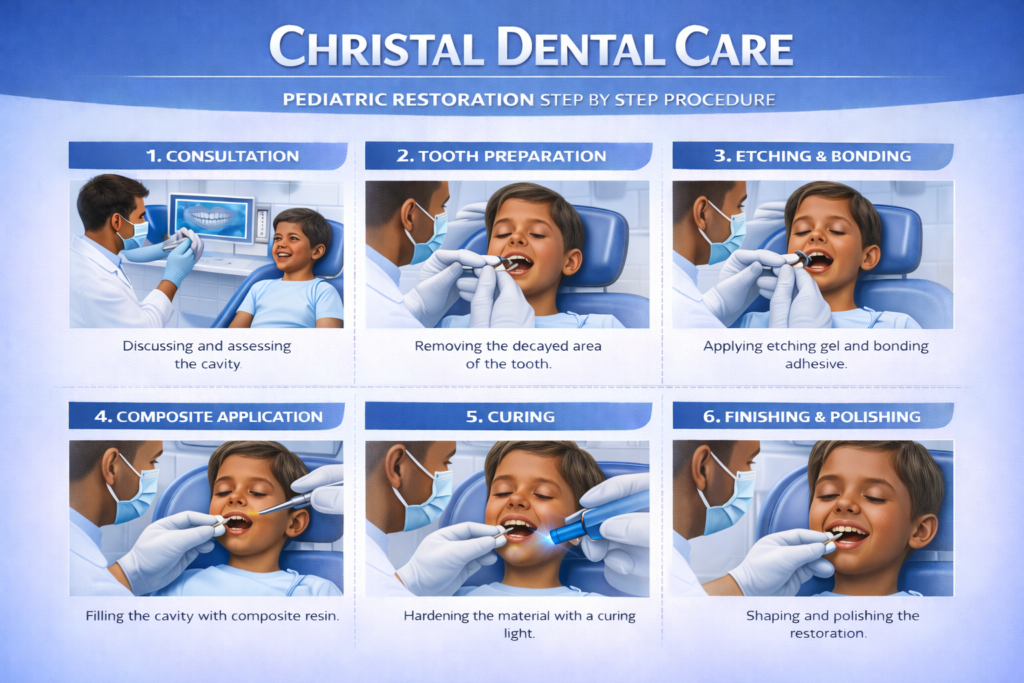
Pediatric dentistry is a specialized branch of dentistry that focuses on the oral health of infants, children, and teenagers. Pediatric dentists are trained to manage children’s dental needs with a gentle, friendly approach, ensuring stress-free and positive dental experiences. They focus on early detection of dental problems, cavity prevention, fluoride treatments, growth monitoring, and guiding proper tooth and jaw development.

Habit-breaking appliances are special devices used to help children stop habits such as thumb sucking, finger sucking, tongue thrusting, lip biting, and mouth breathing. These habits, if continued for a long time, can affect the alignment of teeth and the shape of the jaws. The appliances gently discourage the habit and help the child develop proper oral posture and breathing patterns.

Together, pediatric dentistry and habit-breaking appliances help ensure healthy growth, prevent long-term dental issues, and support the development of a confident and beautiful smile.

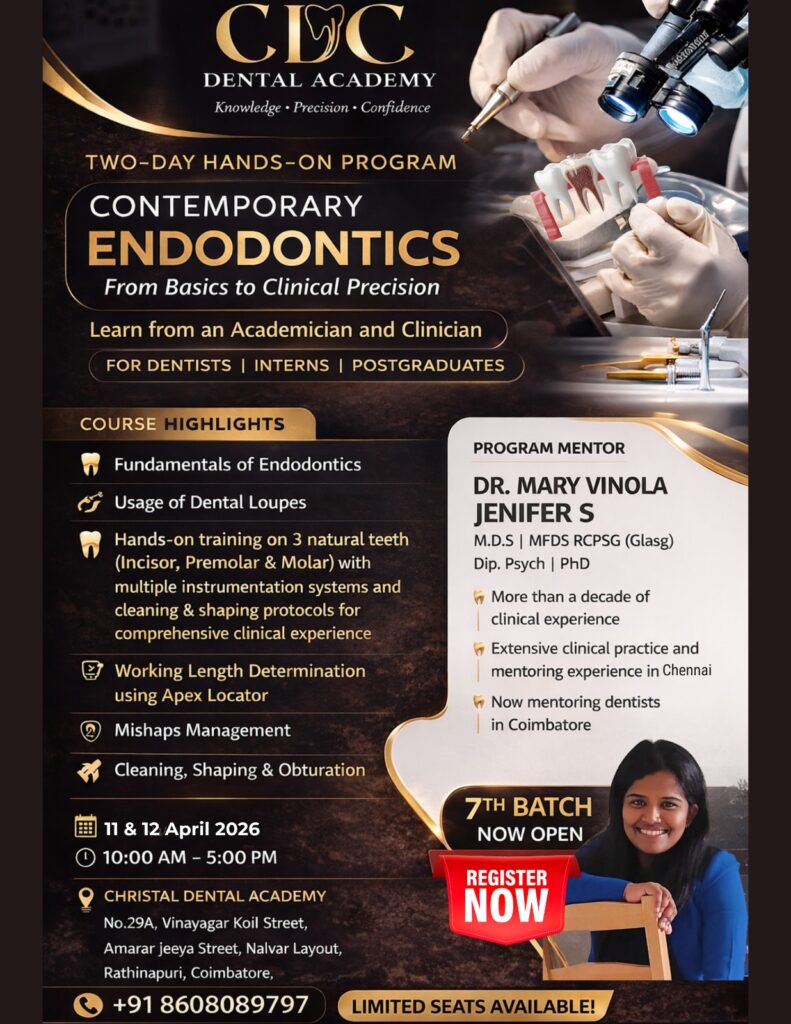
Choosing a specialist for endodontic care is essential because:

Endodontics plays a crucial role in preserving your natural smile. With specialist care, teeth that were once considered “hopeless” can now be saved, ensuring better overall oral health, function, and comfort.

They handle complicated and curved root canal anatomies with higher accuracy

They are trained to manage difficult cases such as previously failed root canals

They reduce the risk of complications through skill and advanced equipment

They improve the success rate of saving natural teeth

STEPS IN ROOT CANAL TREATMENT FOR YOUR UNDERSTANDING

1. Numbing the tooth so the treatment is painless.

2.Opening the tooth to reach the infected area.

3.Cleaning and removing germs from the inside of the roots.

7.Putting a crown (cap) later to protect the tooth and keep it strong.

4.Shaping and disinfecting the canals.

5.Filling the canals with a safe material to seal them.

6.Closing the tooth with a filling.

1. Numbing the tooth so the treatment is painless.

2.Opening the tooth to reach the infected area.

3.Cleaning and removing germs from the inside of the roots.

4.Shaping and disinfecting the canals.

5.Filling the canals with a safe material to seal them.

6.Closing the tooth with a filling.

7.Putting a crown (cap) later to protect the tooth and keep it strong.

STEPS IN ROOT CANAL TREATMENT FOR YOUR UNDERSTANDING

1. Numbing the tooth so the treatment is painless.

2.Opening the tooth to reach the infected area.

3.Cleaning and removing germs from the inside of the roots.

4.Shaping and disinfecting the canals.

5.Filling the canals with a safe material to seal them.

6.Closing the tooth with a filling.

7.Putting a crown (cap) later to protect the tooth and keep it strong.